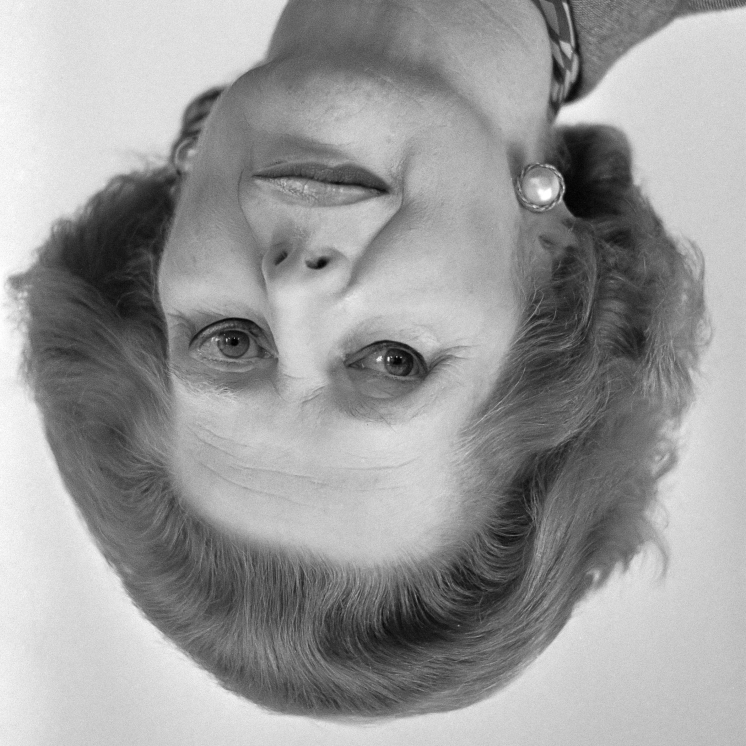
How/What?
Click anywhere to watch the faces spin. Try not to shriek.
Advertisement
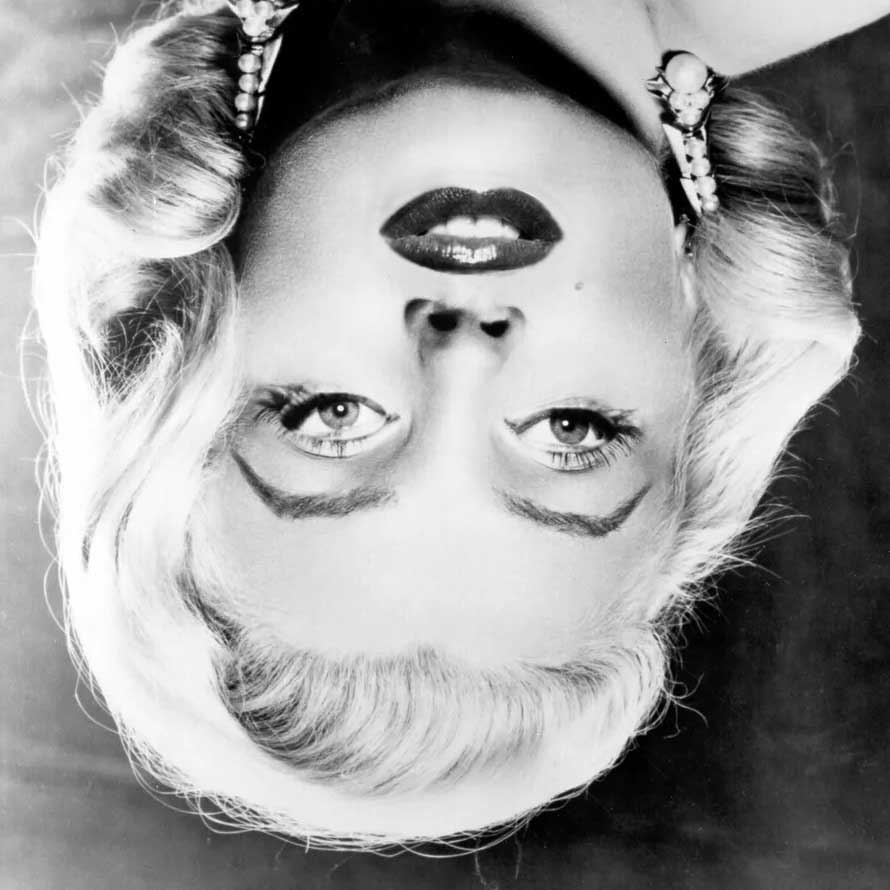
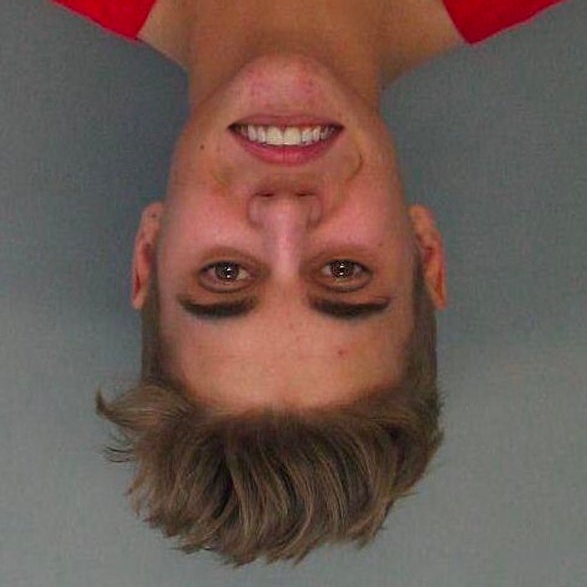







What: The Thatcher effect, as you might have just encountered in the interactive examples above, demonstrates that when a face is turned upside - down, yet its features (in this case, the eyes and mouth) are also inverted, making them seem right - side - up, the brain struggles to recognize that the face has been altered or is incorrect. This serves as an excellent illustration of how the brain processes faces and how it can be deceived by simple tricks. This effect was first recorded by Peter Thompson in 1980, and since then, it has triggered a series of experiments and studies regarding facial recognition and the brain's capacity to process faces. My preferred one is this paper from 2009, which reveals that monkeys experience the same effect. This does seem reasonable, but the fact that they conducted the study itself is truly astonishing.
How To: Click anywhere on the picture to watch the faces spin. Try not to yell. There's really no other special element here. You know what the outcome will be every single time, so you can try to make your brain do the analysis. Sometimes, it feels like I'm close to not being deceived, but after the flip, no, I'm still tricked.
Explain It: The brain is proficient at recognizing faces, and it does so by processing the facial features in a regular way, which occurs... well, every time you see a face. When a face is presented upside - down, the brain can't really apply the same methods; instead, it will examine the individual features and process them as they are. By all means, they generally appear correct (as they would if the face were not upside - down), so nothing seems strange at all.
Of course, this can tell us a bit about how our brain perceives the world around us, but there's undoubtedly a great deal more to discover in this area, and as a result, the studies keep on emerging!